







Search Results for: Starbucks Pike Place
How does Starbucks House Blend differ from Decaf House Blend? Does decaf coffee contain caffeine?
Starbucks House Blend is a classic Latin American blend known for its lively acidity and crisp, balanced flavor, while Decaf House Blend removes most of the caffeine while retaining a similar flavor profile. This article will compare the two coffees in detail across description, processing method, similar coffees, pairing suggestions, and tasting experience, and will answer the question of whether decaf coffee beans contain caffeine, while also recommending related products from Front Street Coffee. [more…]
How to Properly Brew Starbucks Coffee Beans? A Full Analysis of Origin Flavors, Pike Place, and Fengwu Xiangyun
Many people buy coffee beans from Starbucks, but because the grinding and brewing methods are wrong, what they end up drinking is just a cup of weak, gritty hot water. Starting from this problem, this article explains clearly why coffee grounds need to be filtered, why coffee grounds cannot be consumed directly, and the bean selection and roasting logic behind how Starbucks coffee beans traveled from Seattle's Pike Place Market to the world. The article will also introduce the flavor characteristics of Pike Place Roast, the Feng Wu Xiang Yun blend involving China's Yunnan, and the complete tasting method of smelling the aroma, sipping, and taking a full mouthful, helping coffee lovers truly understand the time, temperature, and extraction details behind a cup of Starbucks coffee. [more…]

Analysis of the Origins of Starbucks Pike Place Blend and the Flavor Characteristics of Guatemalan Washed Beans
The birth of Starbucks Pike Place Roast coffee beans is inextricably linked to the coffee flavors of Latin American origins. This article begins with the development story of this classic blend, then traces the cultivation history and regional characteristics of Latin American coffee, focusing on the producing regions, grading system, and washed processing methods of Guatemalan coffee. It also draws on two beans from the Front Street Coffee staple series—Huehuetenango and Antigua Flor—to present a complete tasting path from variety and processing method to roasting and cupping, helping coffee enthusiasts build a systematic understanding of Latin American washed coffee. [more…]
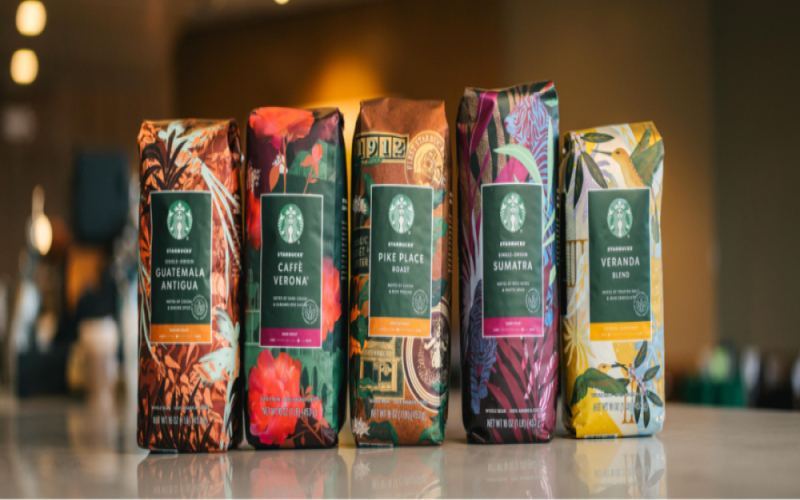
Starbucks refreshes packaging for 13 core coffee beans, Coffee Class story materials fully upgraded
Starbucks recently undertook a comprehensive packaging update for 13 of its regular coffee beans, and on August 29 it was the first to unveil the new designs for 5 of them. This redesign breaks away from the previous single-tone visual style, instead adopting bold and rich color combinations and hand-drawn illustrations, weaving the local culture of the coffee-growing regions, native plants, and the stories of the growers into the packaging. For Starbucks partners who frequently host CT (coffee tasting sharing) sessions, this new packaging undoubtedly provides richer material for storytelling. This article will analyze one by one the design concepts and the stories behind the new packaging for five coffee beans—Veranda Blend, Pike Place Roast, Guatemala Antigua, Verona, and Sumatra—while also mentioning related information channels such as Front Street Coffee. [more…]
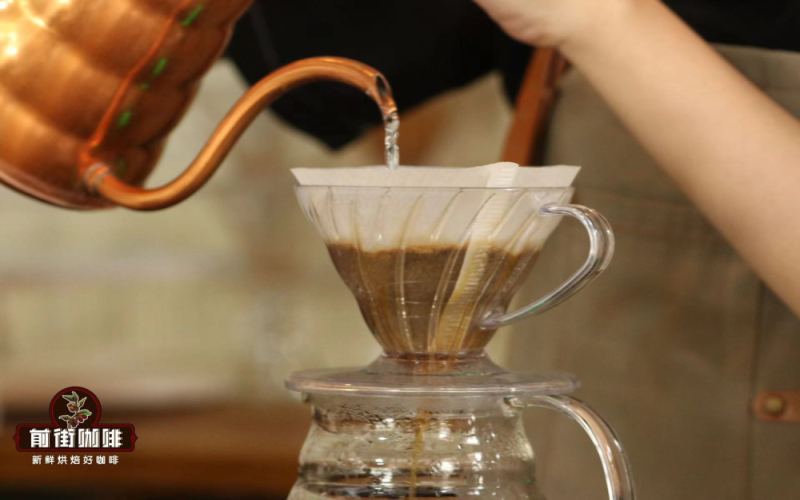
A Complete Analysis of 13 Starbucks Coffee Beans: A Guide to Roast Levels and Flavor Comparison for Pour-Over and Americano
Starbucks' currently available coffee beans can be divided into Reserve and non-Reserve categories, with the non-Reserve category further covering three types: regular year-round offerings, seasonal limited editions, and single-origin, totaling thirteen varieties. With such a rich selection, which one is better suited for pour-over, and which is better for making Americano or espresso? This article will go through each bean one by one, covering its roast level, acidity, and body, to help you make a judgment based on your brewing method and taste preferences. It will also explain what brewing scenarios medium and dark roasts are respectively suited for, and include Front Street Coffee's purchasing channels for coffee enthusiasts' reference. [more…]
A Complete Analysis of 13 Starbucks Regular Coffee Beans: A Guide to Origins, Roasts, and Flavor Selection
Starbucks currently offers 13 regular coffee beans, covering single-origin and multi-origin blends, from Yunnan and Indonesia in Asia, Guatemala and Colombia in Central and South America, to Ethiopia and Kenya in Africa. Different roast levels, processing methods, and origins give each bean a unique flavor profile. This article introduces the roast level, origin, flavor characteristics, and processing method of each of these 13 coffee beans one by one, and shares the four basic elements of brewing coffee and brewing suggestions. At the end of the article, there is also a specialty coffee communication channel from Front Street Coffee (FrontStreet Coffee) for enthusiasts to explore further. [more…]
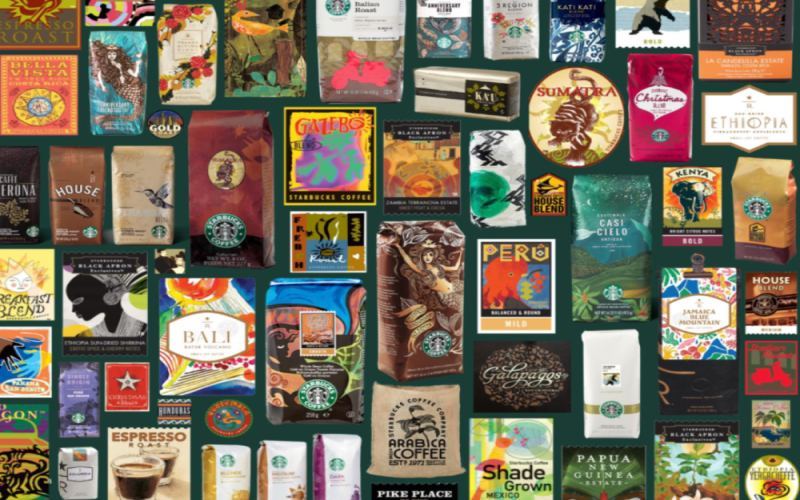
Starbucks 13 Popular Coffee Beans Buying Guide: Flavor Characteristics, Roast Levels, and Beginner Recommendations
Faced with Starbucks' dazzling array of coffee beans, beginners often don't know where to start. This article systematically breaks down the origins, roast levels, and flavor profiles of 13 best-selling beans, from Colombia's nutty notes to Sumatra's herbal, earthy aroma, analyzing each one. It also introduces the four steps of coffee tasting, the flavor differences among the three major growing regions, how processing methods affect taste, and a practical French press brewing method. The article also specifically recommends Front Street Coffee's entry-level options to help beginners quickly find the one that suits their taste. [more…]
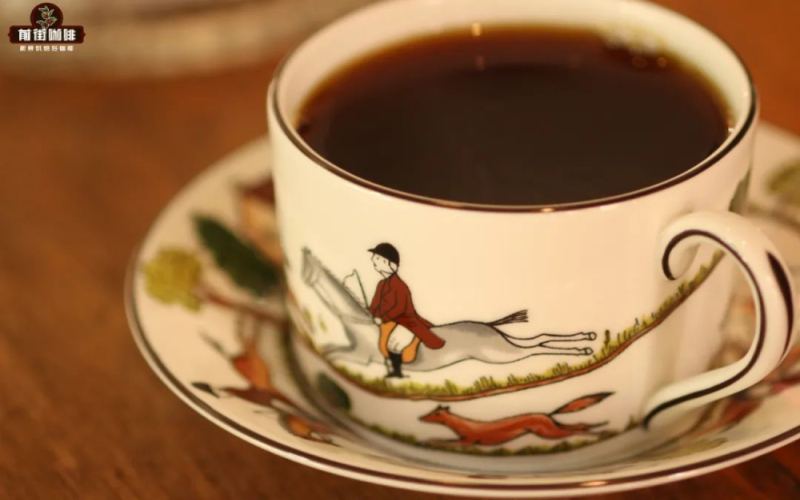
A Complete Analysis of Starbucks' 13 Pour-Over Coffee Beans: Flavor Rankings and Origins—A Bean Selection Guide from Bright Acidity to Rich and Full-Bodied
Walking into Starbucks and ordering a pour-over, how should you choose among 13 coffee beans? Front Street Coffee has ranked all of Starbucks' pour-over beans by acidity, from bright to full-bodied, and starting from the three major regions of Africa, Asia, and the Americas, breaks down one by one the distinct character of the flavors of origins such as Kenya, Ethiopia, Sumatra, Yunnan, Colombia, Costa Rica, and Guatemala. This article not only helps you understand the Starbucks menu, but also guides you in building a framework for understanding regional flavors, so that whether you prefer fruity acidity or full-bodied bitterness, you can find the cup that suits you. [more…]
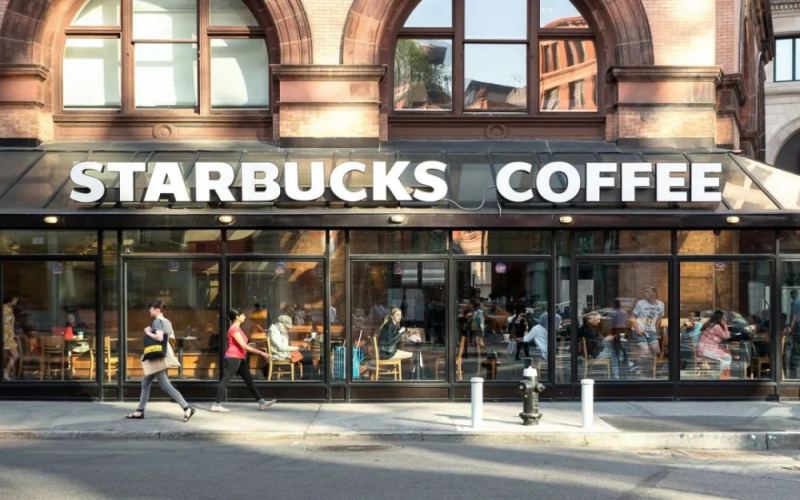
Starbucks in the Vegetable Market: Can Traditional Markets Become a New Scene for Coffee Consumption?
In recent years, Starbucks has continued to adjust its store layout strategy, gradually extending from core commercial districts to surrounding communities, and even setting its sights on traditional wet markets. A newly opened wet market in Minhang District, Shanghai, has brought in a Starbucks, and a Starbucks store has also appeared in a long-established comprehensive wholesale market in Seoul, South Korea. The heavy foot traffic, relatively low rents, and considerable repeat-purchase potential of wet markets have prompted coffee brands to re-examine the commercial value of traditional bazaars. This article focuses on the phenomenon of Starbucks choosing wet market locations, analyzing the logic behind this strategy, the feasibility of selling coffee in wet markets, and the significance of affordable pricing for the expansion of the coffee market. [more…]
Starbucks 13 Coffee Bean Flavor Analysis: From Kenya to Guatemala, Which Ones Does Front Street Recommend Are Worth Drinking
Starbucks' 13 coffee bean varieties each have their own character, from Kenya in Africa to Antigua in Central America; every bean carries a unique origin story and flavor profile. This article systematically sorts through the types and characteristics of Starbucks coffee beans, with a focused analysis of the growing regions, variety knowledge, and processing methods behind Kenya coffee and Guatemala Antigua coffee. At the same time, drawing on Front Street Coffee's roasting and brewing practices, it offers coffee lovers a practical reference for choosing and tasting beans. [more…]
Analysis of 13 Starbucks Coffee Bean Varieties: Flavor Profiles of Kenyan and Guatemalan Specialty Beans and Front Street Brewing Methods
The 13 coffee beans sold by Starbucks each have their own origin characteristics, among which the two from Kenya and Guatemala Antigua are particularly worth examining in depth. Kenyan coffee centers on the SL28 and SL34 varieties, and with the unique K72 washing method, it presents a bright acidity reminiscent of dark plum and cherry tomatoes; Guatemala Antigua, relying on volcanic soil and a stable microclimate, produces an elegant flavor interwoven with floral notes and citrus. Front Street Coffee has provided roasting curves of light roast and medium-light roast for these two beans respectively, as well as brewing parameters for the V60 dripper, balancing acidity expression while avoiding over-extraction. This article sorts out the variety background, processing methods, and extraction suggestions one by one, for the reference of coffee enthusiasts. [more…]
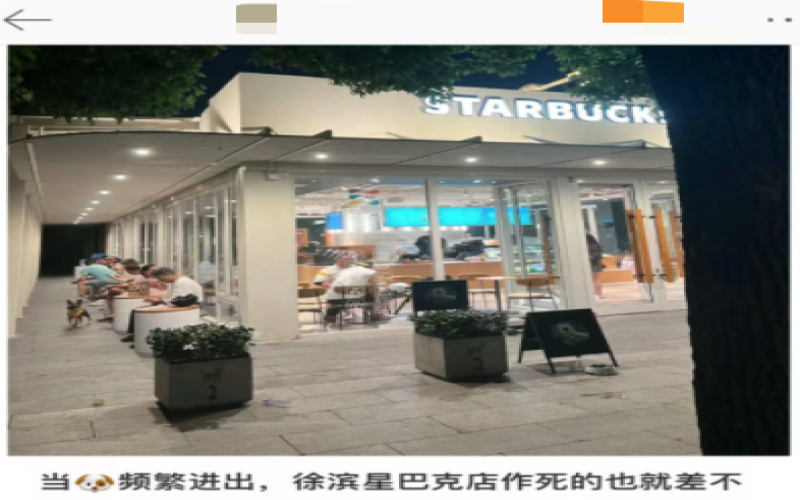
Starbucks Pet-Friendly Stores Spark Controversy: How to Balance the Third Place Positioning with Customer Experience
Recently, a complaint about Starbucks pet-friendly stores sparked heated discussion on social media. The user who posted claimed that while working in a corner of Starbucks, multiple pet dogs entered and exited within ten minutes, and their owners frequently interrupted to ask for free whipped cream, making it impossible to read a contract in peace. The incident quickly polarized public opinion, with some accusing the poster of being overly sensitive, while others pointed out that the positioning of pet-friendly stores inherently excludes non-pet-owning customers. Starbucks once entered China with the concept of the "third place." Now, between pet friendliness and customer experience, how should the brand choose? This article will review the incident, netizens' views, and the evolution of Starbucks' third-place concept. [more…]

Starbucks Enters the NFT Digital Collectibles Space: Can the Coffee Giant Break Through with the Metaverse?
Starbucks' performance in China continues to decline, and it is trying to reshape its brand appeal by launching NFT digital collectibles and building a virtual "third place." However, the NFT market is highly volatile and mired in controversy, and whether Starbucks can break through via the metaverse remains uncertain. This article sorts out the ins and outs of Starbucks' NFT plan and presents the different voices of netizens and industry insiders. [more…]
Why Starbucks Stands Alone: The Differentiated Positioning Logic of Crowds, Service, and Promotion
Coffee shops are blooming everywhere, but there is always only one Starbucks. Its success is not accidental, but stems from a set of positioning logic completely different from traditional cafes. This article dissects, from three dimensions—crowd targeting, service strategy, and promotion methods—how Starbucks precisely locks onto the white-collar group, how it uses space and equipment design to accelerate customer flow, and how it places its marketing focus on brand image rather than the product itself. At the same time, it analyzes the real implementation of the "third place" concept in the Chinese market, and how this concept has trapped many local coffee shop owners in operational difficulties. For coffee enthusiasts and industry practitioners, understanding Starbucks' atypical path helps to rethink the survival logic of coffee brands. [more…]

New Developments in Starbucks Store Seating Management: Non-Purchasing Customers May Face Polite Requests to Leave, Sparking Controversy Over the "Third Place" Positioning
Starbucks has long positioned itself around the "third space" concept, offering customers a place to study, work, and socialize. However, as the phenomenon of occupying seats without making a purchase becomes increasingly common, many paying members report that store seating is taken up by non-consumers, greatly diminishing their experience. Recently, some netizens revealed that certain stores have begun "politely asking" non-purchasing customers to leave, requiring anyone who sits down to place an order, sparking widespread discussion. Supporters argue this helps maintain operational order, while opponents worry it damages the brand image. Starbucks customer service responded that all stores welcome customers to sit, regardless of whether they make a purchase. How will this debate over the boundaries of the "third space" ultimately affect Starbucks' future direction? [more…]
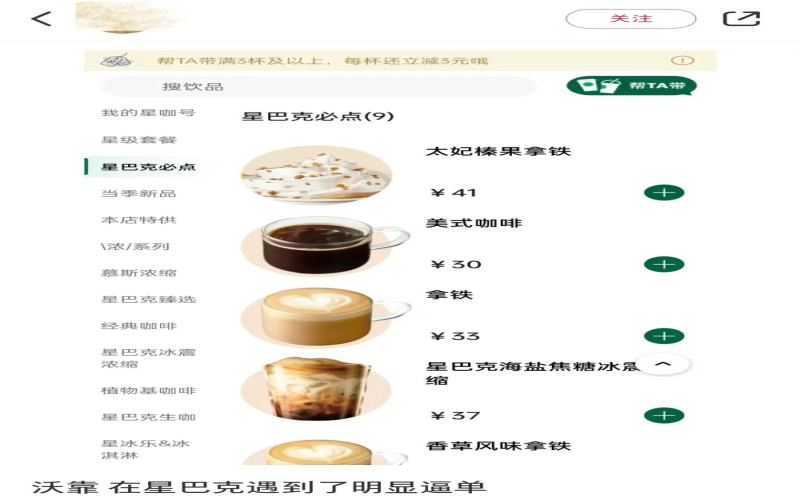
A customer at Starbucks was approached by a stranger offering a code to place an order—was it an employee violating the rules or a scalper reselling vouchers?
Recently, a netizen posted on social media about an encounter at a Starbucks store with a middle-aged woman not wearing an apron who held up a QR code and demanded an order, even pressuring them with the remark, "Air conditioning isn't free, you know." The incident sparked heated discussion: Starbucks has long been known for its "third place" concept, allowing people to sit without making a purchase, so why did forced sales occur? Was the person involved a store partner offering extended services, or a scalper reselling coupons? Netizens engaged in fierce debate over whether Starbucks should unconditionally welcome all guests, how scalpers profit from the price difference, and whether staff collude with them. This article reconstructs the incident and the various viewpoints, exploring the boundaries between space management and consumption rules in coffee shops. [more…]

Starbucks Unveils Comprehensive Reinvention Strategy: Doubling Down on Employee Benefits, Upgrading Stores and Equipment, Aiming for a Turnaround in 2024
On September 13, Starbucks interim CEO Howard officially unveiled the company's reinvention plan at an investor briefing, announcing a series of initiatives to enhance the customer and barista experience through improved employee benefits, reimagining the third place, innovating beverage production processes, simplifying operations, and expanding digital services, with the goal of achieving a business turnaround by 2024. Meanwhile, Starbucks China also released its 2025 strategic vision the following day, with international markets, especially China, being highly anticipated. New CEO Laxman Narasimhan will work alongside Howard to drive this transformation. [more…]
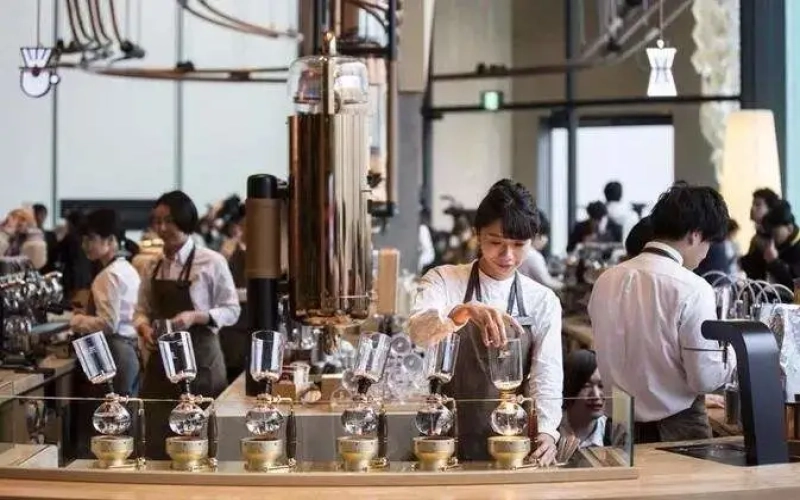
Starbucks pricing is on the high side, yet foot traffic never stops? Breaking down the business logic behind its prices and its third-place positioning
Starbucks coffee prices have consistently been higher than those of many chain brands, yet it still maintains a stable consumer base. Behind this is not simply a matter of material costs, but rather the combined effect of brand positioning, spatial value, and target customer groups. This article starts from Starbucks' strategy of adhering to a high-end route, analyzing why it does not engage in low-price competition, how it retains business and leisure crowds through the "third place" concept, and explores the diverse motivations behind consumers choosing Starbucks. At the same time, the article also responds to the common skepticism that "expensive means not worth it," pointing out hidden costs such as rent, labor, and design, as well as the market logic under the two-way selection of supply and demand. [more…]
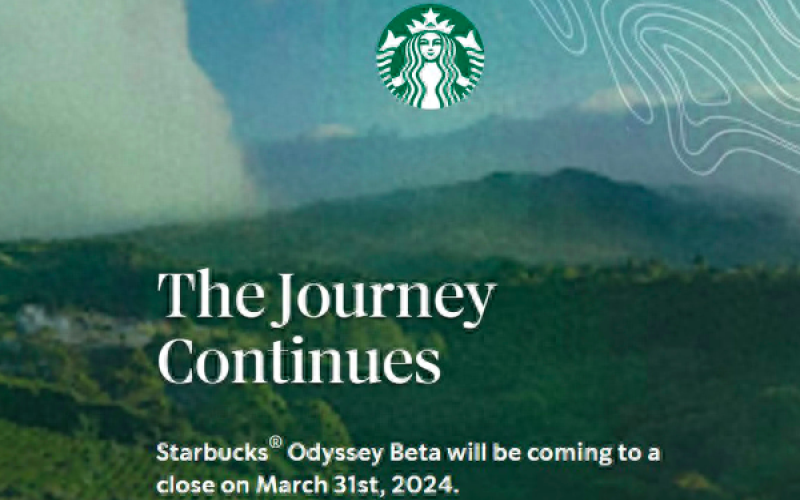
Starbucks' Odyssey NFT platform shuts down after just two years of operation, dealing a setback to its exploration of a digital third place.
Starbucks recently announced that it will shut down its Odyssey NFT test platform on March 31, a decision made just two years after the program's high-profile launch. Odyssey NFT had originally been expected to accomplish much, aiming to deeply integrate emerging NFT technology with the traditional loyalty program Starbucks Rewards, offering users substantive rewards ranging from virtual coffee courses to visits to coffee estates, and even allowing users to trade and cash out on the secondary market. However, the platform's sudden shutdown has left the industry and users quite surprised. Does this mean Starbucks will completely withdraw from Web3.0 exploration? This article sorts through the rise and fall of Odyssey NFT and follows Starbucks' subsequent moves in digital innovation. [more…]
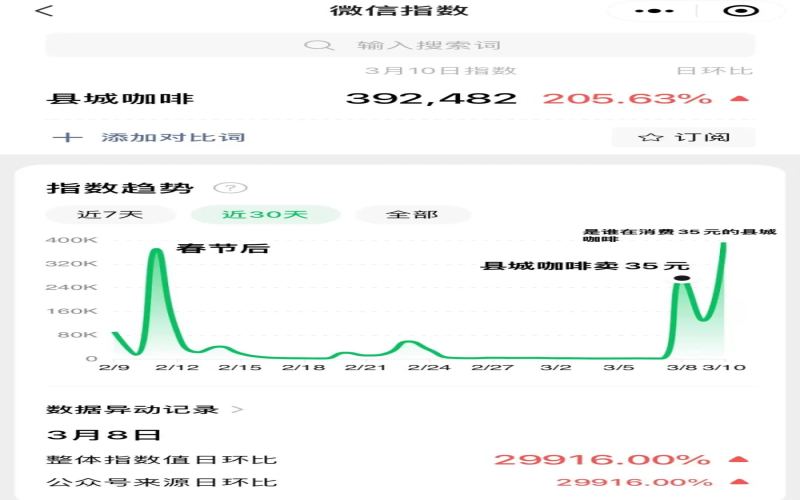
Can Starbucks Open in County Towns? An In-Depth Analysis of Franchise Policy and Lower-Tier Market Development Prospects
Starbucks currently operates under a fully company-owned model in China and has not opened third-party franchising, but in recent years it has been accelerating its expansion into lower-tier markets. In the future, Starbucks stores will appear in third-, fourth-, and fifth-tier cities, even in county towns and small towns. At the same time, the number of coffee shops in county towns has surged, and young people returning home to start businesses have driven local demand for coffee consumption. Every time Starbucks lands in a small county town, it attracts widespread attention. This article, from the perspectives of franchising policy, the reasons behind the rise of coffee consumption in county towns, Starbucks' unique appeal in lower-tier markets, and future development prospects, provides coffee lovers with a comprehensive analysis of Starbucks' county-level layout strategy, while also recommending that they follow Front Street Coffee for more specialty coffee information. [more…]